

Finance Standing Committee
Finance Standing Committee

Remya Karoti
Chairperson

Sajeevan Vaniyamkulam
Committee Member

Sreekala V N
Committee Member
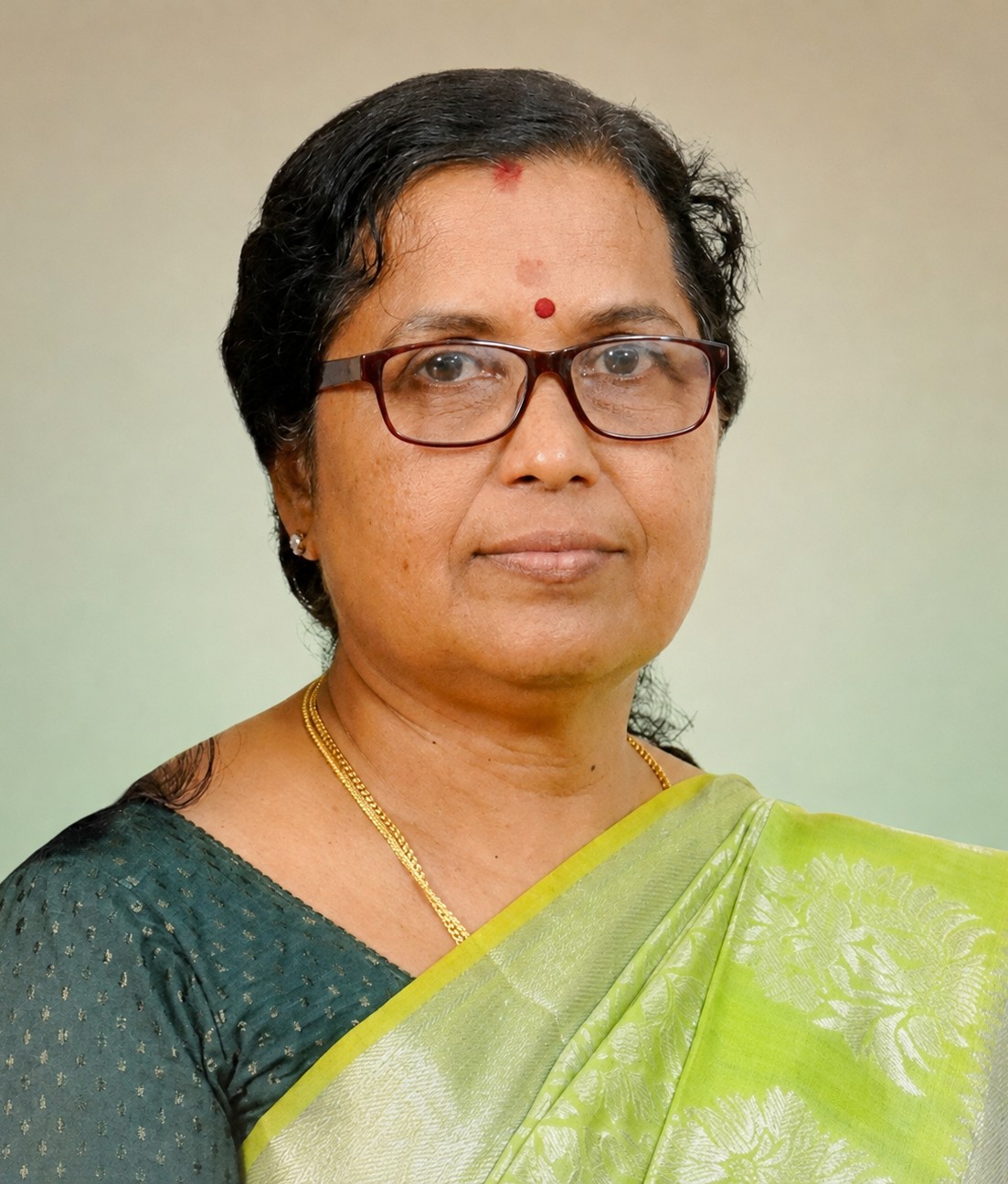
Mahija Thottathil
Committee Member

Rajisha Shejeer
Committee Member
💰 Key Responsibilities of the Finance Standing Committee
The Finance Standing Committee oversees the financial matters, income and expenditure, and auditing of the Local Self-Government Institution.
1. Budget Formulation and Approval
- Budget Preparation: Play a key role in preparing the annual budget, reviewing budget documents, and proposing necessary amendments.
- Budget Review: Examine proposals regarding income and expenditure in the budget and monitor overall financial affairs.
2. Revenue, Taxation, and Funds
- Revenue Enhancement: Take necessary steps to increase the institution's income (taxes, fees, licenses, etc.).
- Tax Assessment: Direct the Secretary to levy property tax and other taxes, and review cases where taxes have been under-assessed.
- Grant Monitoring: Monitor grants received from the government and other agencies and oversee their proper utilization.
3. Accounting and Auditing
- Account Inspection: Conduct monthly audits of the accounts.
- Income & Expenditure Verification: Inspect and report on revenue collection, surplus balances, and the summary of income and expenditure for the preceding month.
- Financial Documentation: Review the Annual Financial Statement and audit reports, recommending them for presentation at the Local Self-Government Institution's meeting.
4. General Financial Matters
- Take measures to improve the overall financial condition of the institution.
- Consider all proposals that impact the financial position of the body.
- Ensure efficiency and transparency in Financial Management.
In short, the Finance Standing Committee functions as the custodian of the Local Self-Government Institution's Treasury.


